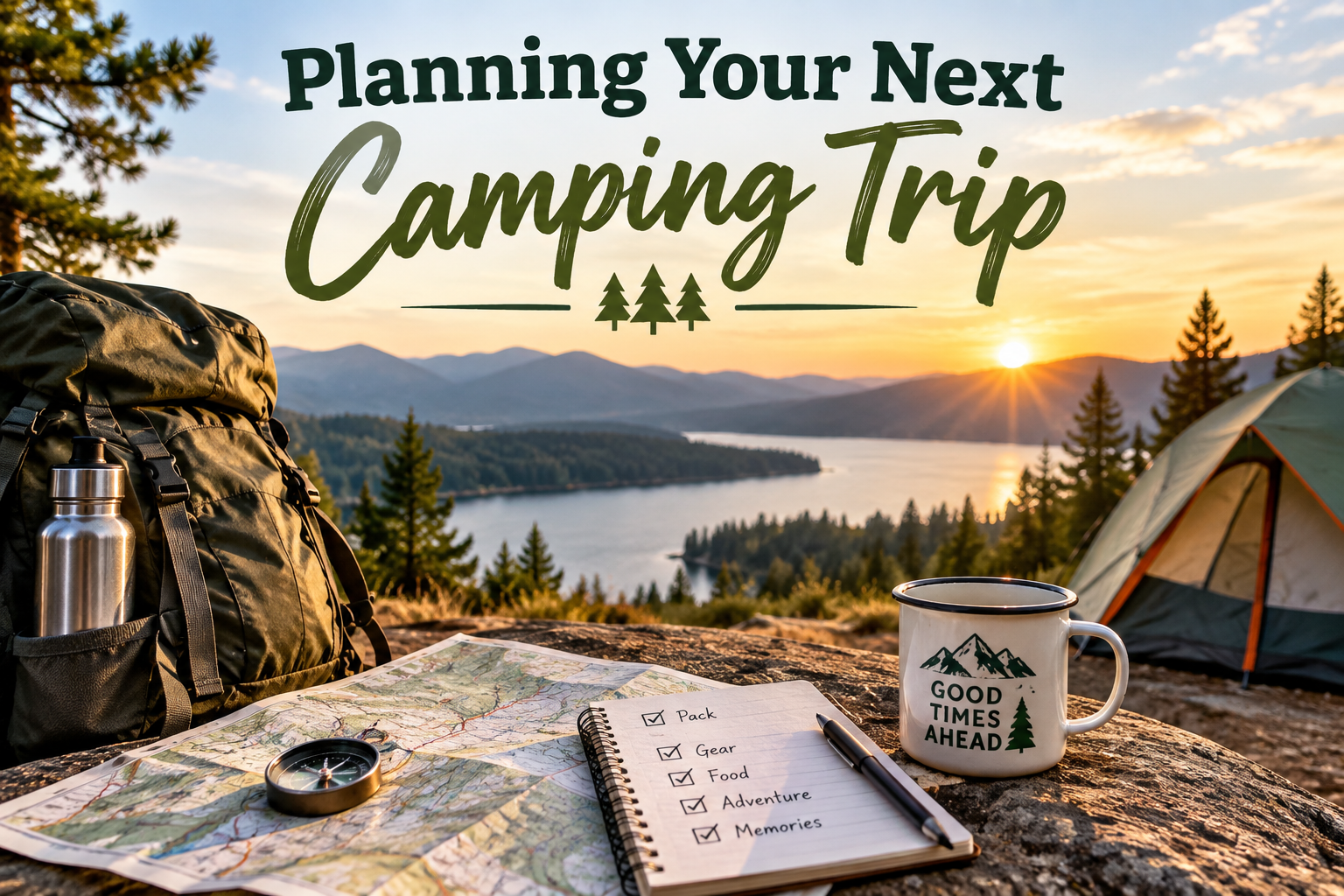
A camping trip is a wonderful way to step away from daily routines, spend time outdoors, and reconnect with family, friends, or yourself. Whether you are planning a relaxing weekend at a developed campground or a more adventurous stay in a remote area, thoughtful preparation can make the entire experience safer, easier, and more enjoyable.
Camping does not have to be complicated, but it does require planning. Choosing the right destination, packing dependable gear, preparing food, checking the weather, and understanding campground rules can help prevent unnecessary stress. The more prepared you are before leaving home, the more time you can spend enjoying the scenery, exploring nearby trails, cooking outdoors, and relaxing around the campsite.
Choose the Right Type of Camping Trip
Begin by deciding what kind of camping experience you want. Some campers prefer established campgrounds with restrooms, showers, picnic tables, fire rings, and electrical hookups. Others enjoy primitive campsites with fewer amenities and more privacy.
Car camping is often the easiest option for beginners because you can park close to your campsite and bring more supplies. Backpacking requires lightweight equipment because everything must be carried to the camping area. RV camping may provide additional comfort, but it also requires planning for campsite dimensions, hookups, fuel, and road access.
Consider the experience level and physical abilities of everyone attending. Families with young children may appreciate a campground with nearby bathrooms and short walking trails. Experienced outdoor enthusiasts may prefer a quieter destination with limited services. Choosing the right style of camping will help you build a realistic plan.
Research and Reserve Your Campsite
Popular campgrounds can fill quickly, especially during weekends, holidays, and warmer months. Once you select a destination, check whether reservations are required. Review the campground map and compare available sites based on shade, privacy, distance from restrooms, water access, parking, and nearby activities.
Read the rules before booking. Some campgrounds have restrictions on pets, campfires, generators, food storage, vehicle size, or the number of people allowed at each site. Knowing these details in advance prevents surprises when you arrive.
If you plan to camp in a remote or first-come, first-served area, identify a backup location in case your preferred campsite is unavailable. Download or print directions because mobile service may be unreliable in rural and wilderness areas.
Check the Weather and Local Conditions
Weather can affect almost every part of a camping trip. Check the forecast several times before departure and prepare for changes in temperature, wind, rain, or storms. Even warm destinations can become cold at night.
Research local conditions beyond the basic forecast. Find out whether the area is experiencing fire restrictions, flooding, road closures, insect activity, or wildlife concerns. Check whether drinking water is available at the campground or if you need to bring your own supply.
Pack clothing in layers so you can adjust throughout the day. Include rain protection even when the forecast looks clear. A waterproof jacket, extra socks, and a protected place to store dry clothing can make a major difference if the weather changes unexpectedly.