
Create a Complete Camping Checklist
A checklist is one of the easiest ways to stay organized. Divide your list into categories such as
shelter, sleep, cooking, clothing, hygiene, safety, and recreation.
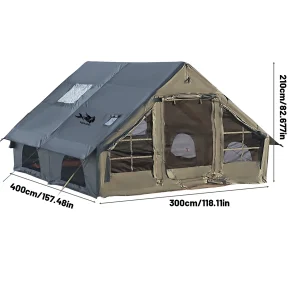
Your shelter supplies may include a tent, footprint or tarp, stakes, poles, guylines, and a small
repair kit. Practice setting up a new tent at home before your trip. This helps you confirm that all
parts are included and makes assembly easier at the campsite.
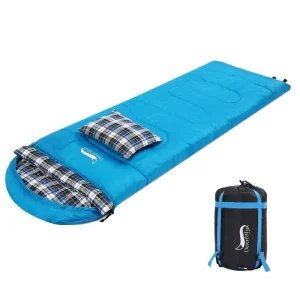
For sleeping, pack sleeping bags suited to the expected temperature, sleeping pads, pillows,
and extra blankets if needed. Sleeping pads provide both comfort and insulation from the cold
ground.
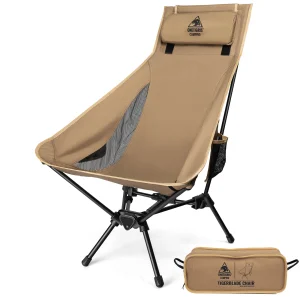
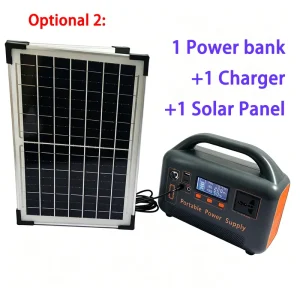
Other helpful essentials include flashlights, headlamps, spare batteries, folding chairs, a lantern,
trash bags, reusable water bottles, and a portable power bank. Keep frequently used items in
clearly labeled containers so they are easy to find after dark.
Plan Simple and Satisfying Meals
Camp meals can be one of the highlights of the trip, but complicated recipes may create extra
work. Choose foods that are easy to store, prepare, and clean up.
Plan each breakfast, lunch, dinner, snack, and drink before shopping. Pre-measure ingredients
and complete as much preparation as possible at home. Vegetables can be chopped, meat can
be marinated, and dry ingredients can be stored in labeled bags or containers.
Pack a camp stove and enough fuel rather than relying entirely on a fire. Fires may be
prohibited because of dry conditions, and wet weather can make fire-starting difficult. Bring
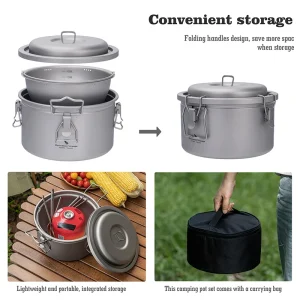
cookware, utensils, plates, cups, a can opener, a cutting board, dish soap, towels, and a
container for washing dishes.
Use a dependable cooler for foods that must remain cold. Pack raw meat securely and keep it
separated from ready-to-eat foods. Bring more drinking water than you expect to use, especially
when potable water is not available.
Prepare for Campfire Safety
Before planning a campfire, confirm that fires are allowed. Follow all local restrictions and use
an established fire ring whenever one is provided.
Bring approved firewood or purchase it near the campground. Transporting firewood over long
distances can spread destructive insects and plant diseases. Never cut live trees or damage
vegetation for firewood.
Keep water and a shovel nearby while the fire is burning. Never leave it unattended, and keep
children and pets a safe distance away. Before going to bed or leaving the campsite, extinguish
the fire completely. Pour water over the embers, stir them, and continue adding water until
everything is cool to the touch.
If campfires are not permitted, battery-powered lanterns can still create a pleasant atmosphere
around the campsite.